
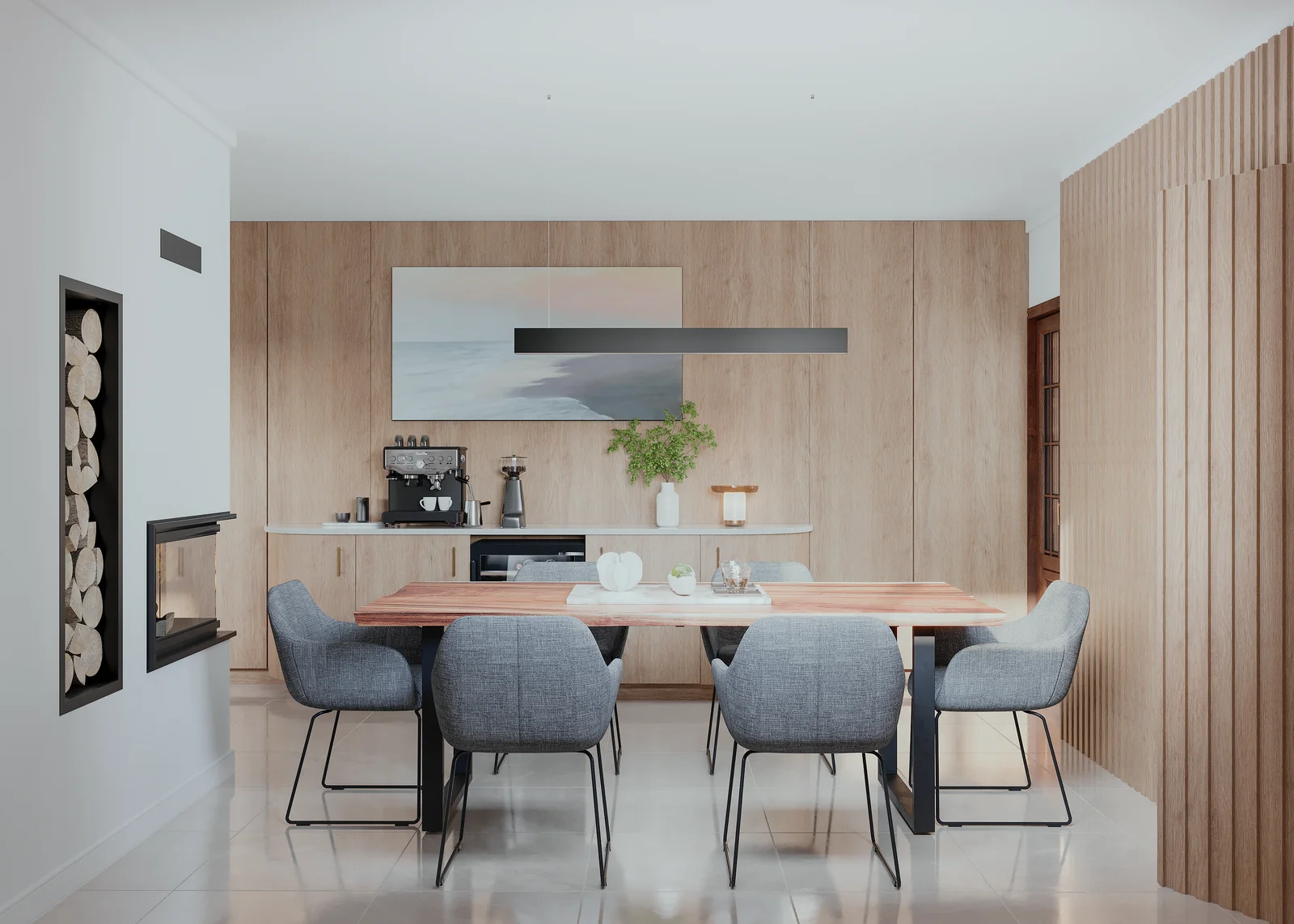
In 2026, the world of architecture and design is undergoing a phase of profound transformation. New user priorities, technological advances, and a renewed ecological awareness are shaping spaces that are more human, expressive, and sustainable. In this article, we analyze the the main trends that will shape 2026, with data from platforms such as Pinterest Predicts, color influences from Pantone, and global design insights, all with a focus on relevance to both the Portuguese and international contexts.
Human-Centric Design: Well-Being at the Center
At the heart of the strongest trends is human-centric designBeyond aesthetics, architectural and interior projects in 2026 prioritize environments that promote physical and mental well-being. Spaces with high levels of natural ventilation, abundant daylight, and strong integration with nature are increasingly sought after by clients and reflect a global movement toward health and environmental comfort.
This focus on well-being also includes:
- Biophilic architecture – intensive use of vegetation and natural materials.
- Environments that encourage relaxation and connection with nature.
For CURO, this means designing with a more holistic perspective, where the sensory experience becomes just as important as form.
Source: https://blog.archtrends.com/trendbook-2026/
Read also: Architecture and happiness: how spaces shape our well-being
Color palettes and materiality: from neutral to earthy tones
Color continues to be a powerful tool in how we perceive space. In 2026, several sources identify distinct trends:
- Pantone Color of the Year 2026: “Cloud Dancer” – an airy white that symbolizes calm, clarity, and a fresh aesthetic beginning.
- Rich, earthy palettes, such as Earthy Vibrancyfeaturing tones like terracotta, moss green, and deep ochres that evoke a strong connection to the natural environment.
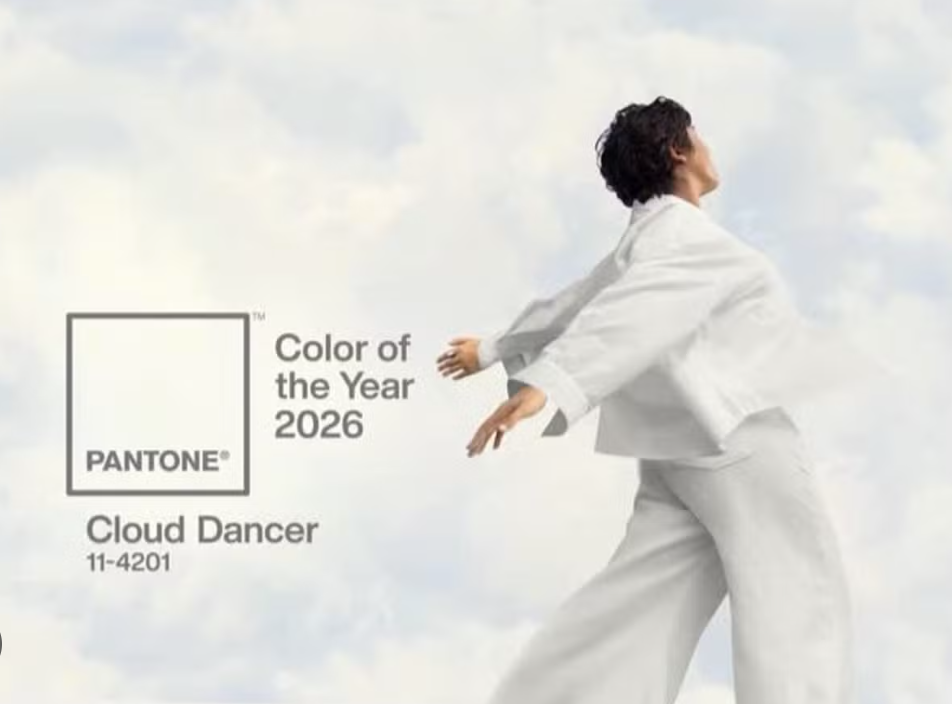
These color trends suggest a duality between minimalist yet welcoming spaces and interiors that embrace emotional depth and chromatic richnessIntegrating these palettes into a project can enhance both the sense of serenity and the emotional character of a space.
Sources: https://www.interiordaily.com and https://www.goodhousekeeping.com/
Architecture and interiors: balanced maximalism
After years dominated by strict minimalism, 2026 sees the return of intelligent, curated maximalism.Rather than disorganized excess, this trend points to a thoughtful selection of pieces, colors, and textures that add personality without overwhelming the space.
This is expressed through:
- Curved and organic furniture,creating fluidity and visual comfort.
- Vintage or iconic pieces used as elements of character.
- A balanced mix of styles,such as the fusion of tradition and contemporary design.
Architecture trends for 2026 according to Pinterest – from the playful to the cultural
The Pinterest Predicts 2026 reports highlight decorative trends that also influence architectural and interior spaces:
- FunHaus - a playful aesthetic with bold patterns, stripes, and sculptural forms.
- Afrohemian Decor - combines African and bohemian influences through textiles, natural textures, and craftsmanship.
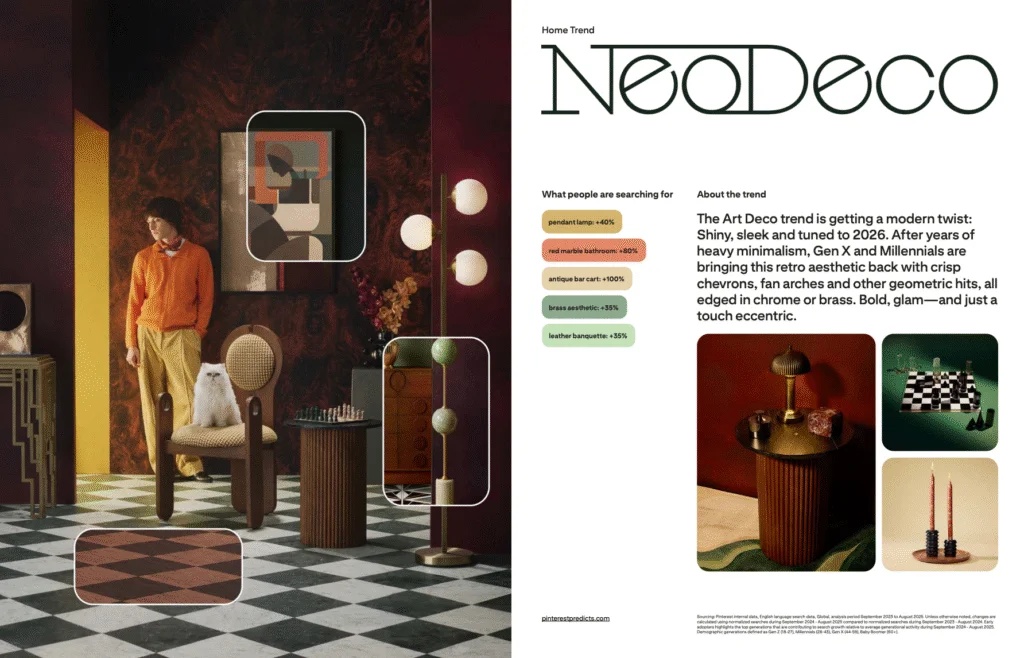
- Neo Deco - an Art Deco revival with a modern twist, featuring glossy metals and sophisticated geometry.
- Extra Celestial / Alien Core - iridescent finishes and futuristic surfaces.
These trends reveal a growing desire for individual expression, cultural storytelling, and fearless creativity,qualities that can be translated into innovative architecture and interior design projects.
Sustainability and Integrated Technology
The demand for sustainable projects is no longer optional but a standard. In 2026, the following stand out:
- Energy-efficiency technologies and integration with intelligent systems (AI, automation, environmental management).
- Low-environmental-impact materials,from natural insulation to modular systems that reduce waste.
- Resilient design that responds to climate change and prioritizes thermal and acoustic comfort.
Designing sustainably adds ecological, economic, and market value. This is a key factor in Portugal, where energy regulations and demand for efficient housing continue to grow.
The DNA of Design in 2026
The architecture and design trends for 2026 share a common thread: spaces that are more human, rich in meaning, and deeply connected to the user.From the balance between warm minimalism and curated maximalism, from cultural heritage to materials that awaken the senses, the future of design is multifaceted, inclusive, and sustainable.
For CURO, an architecture studio, this represents an opportunity to integrate:
- well-being–centered solutions,
- emotionally intelligent color palettes,
- materials that communicate tactility and history,
- culturally rich and personalized aesthetics,
- sustainable and technologically advanced strategies.
The result? Architectural projects that are not only beautiful, but meaningful, enduring, and deeply resonant with the future needs of people..
Shall we build or remodel together in 2026?