
In 2021, CURO was founded on a simple idea: quality architecture should not be a luxury.
It was also born from a conviction: that an architectural project should begin before the plans, materials, or 3D images. It should begin with the person who will live in the space.
How do you live?
It was from this question that the studio began to shape its approach to architecture. Five years on, the question remains exactly the same.
What has changed is everything that has happened since.
An idea that could no longer fit in a drawer.
When CURO was founded, there was a clear desire to create architecture that was close to people, attentive to everyday life, and capable of responding to the real needs of those who inhabit a space.
That means looking at residential architecture beyond aesthetics. It means understanding routines, habits, relationships, needs, and the ways people occupy a home. It means designing spaces that make sense for the people who will live in them.
From the beginning, the studio has worked on both new-build architectural projects and refurbishment processes, bringing contemporary needs together with the history and character of existing buildings.
Because a home is more than a collection of rooms. And refurbishment is not simply about transforming what already exists.
It is about understanding what is worth preserving, what needs to change, and how to create a new relationship between the space and the people who inhabit it.
Four years of architecture, projects, and unexpected opportunities
Over these four years, CURO has grown through its projects, its people, and the opportunities that have emerged along the way.
The studio has taken part in international architecture competitions and received recognition for several proposals, including 2nd place in Ethereal, Iceland Beer Spa,and 3rd place in the De Profundis competition..
CURO has also been shortlisted for competitions including CASA, La Casa di Bau, Forest, Deference, Selene, Tori, and Chashitsu, as well as receiving Honourable Mentions for Cyclops, Ursula, Think Small Design Even Smaller, and Light Challenge.
But not everything that has shaped the studio’s journey was planned.
The studio’s work reached RTP, was featured in a French architecture magazine, and led to an invitation to take part in a podcast with more than 100,000 listeners.
None of these things were part of an initial plan, but they became the result of what has been built over the past few years.
When a visual identity needs to evolve
It is natural for a brand to change as it grows.
In the early years, a studio’s visual identity helps communicate an idea, a vision, and a way of working. But there comes a point when that identity may no longer reflect what the brand has become.
That is exactly what happened with CURO.
The studio was no longer the same as it had been in 2021. It had more projects, more experience, new references, and a more established digital presence.
Its communication needed to evolve with it.
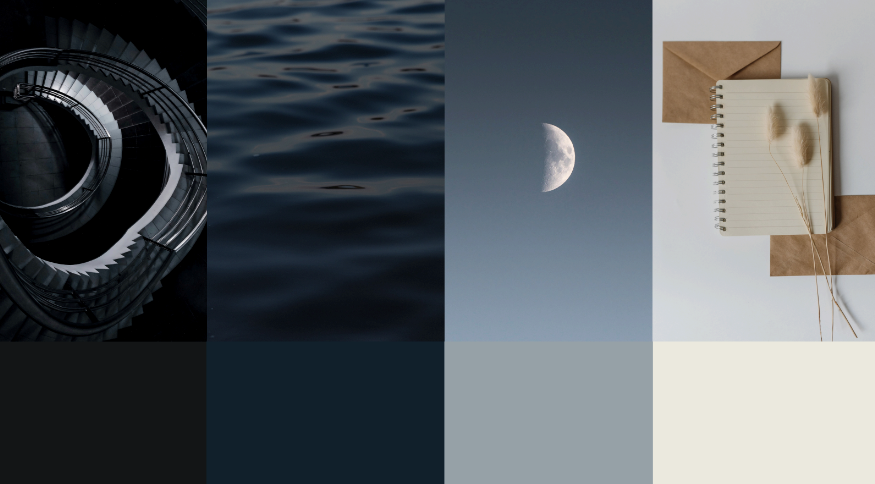
And so CURO now presents a new visual identity,together with a new website and a more restrained visual language.
Not because there is a need to say more.
But because, when the work gains consistency, words can carry more weight.
The new identity seeks to express that maturity without erasing what was at the origin of the studio. It is an evolution, not a rupture.
A new image. The same approach to architecture.
A rebrand does not have to mean starting over.
For CURO, it means looking back at the journey so far and understanding what remains.
The belief that architecture should serve the people who live in it remains.
So does the attention to detail, to real needs, and to the relationship between people and space.
So does the desire to create architectural projects that are not only visually compelling, but also make sense in everyday life.
And the question that has accompanied the studio from the very beginning remains:
How do you live?
Every project begins with this question.
Because two people can live in the same city, in homes of a similar size, and have completely different needs. Architecture that is truly close to people must understand those differences.
That is where the architect’s work begins.


What comes next
Five years may seem like a short time.
But for CURO, they have been enough to build a journey shaped by projects, competitions, research, recognition, and, above all, a great deal of work.
The new visual identity marks this moment.
An identity that is closer to the studio CURO is today. A quieter form of communication, allowing the work to occupy the space it deserves.
Because changing the image does not mean changing what we believe in.
CURO continues to create architecture for real people.
We continue to design and refurbish spaces with close attention to the way they are lived.
The best of CURO is yet to come.